☎ 1800 202 2912 | +91 9717773968 | info@inventanteducation.com

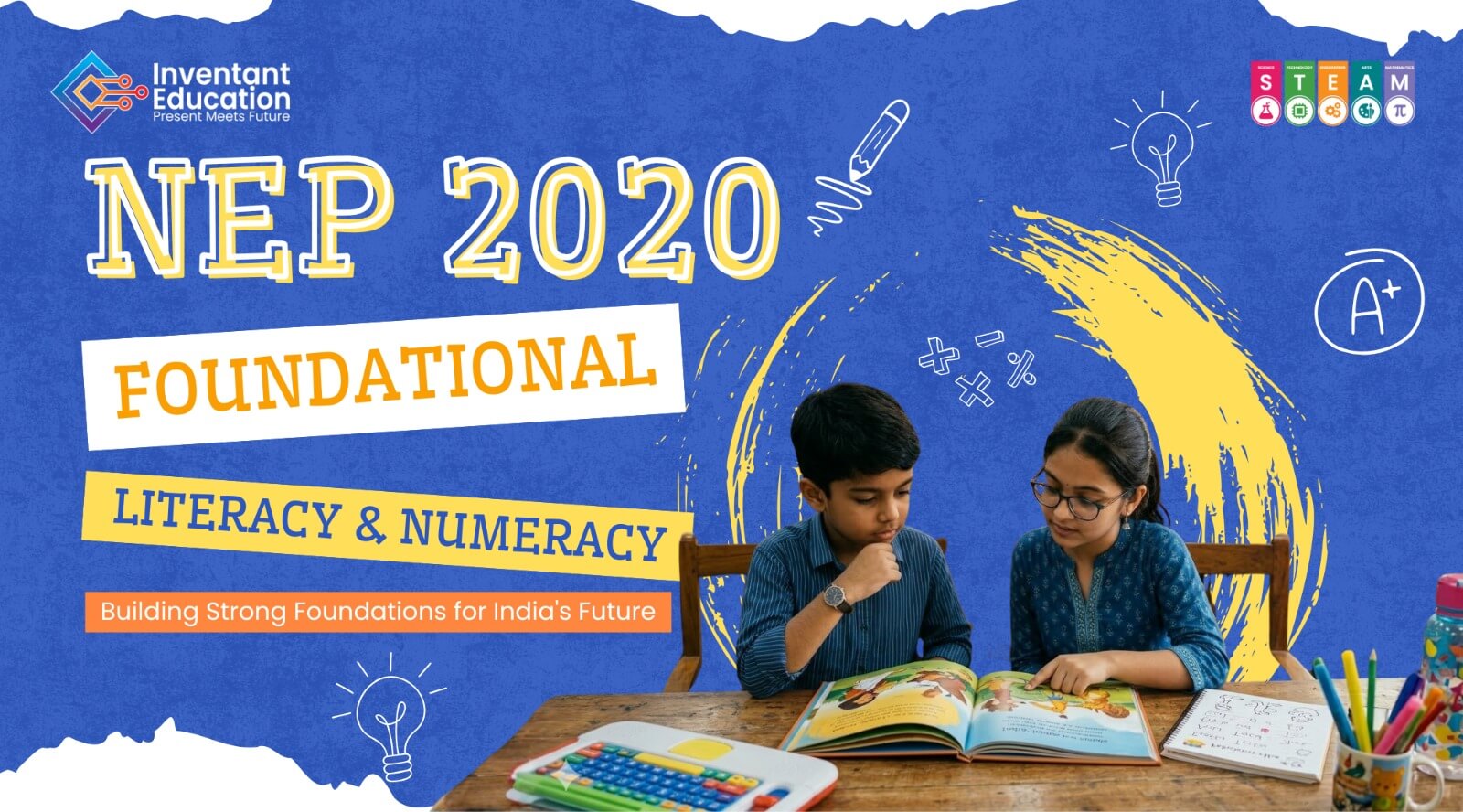
NEP 2020 and the New Approach to Syllabus: An In-Depth Analysis

The National Education Policy (NEP) 2020 represents one of the most significant reforms in India’s education system in decades. It reimagines the very foundation of how students learn, how teachers teach, and how knowledge is structured within the syllabus. Moving beyond rote memorization, NEP 2020 introduces a learner-centric, skill-driven, and multidisciplinary approach that aligns education with real-world needs.
This article explores in depth the new approach to syllabus design under NEP 2020, its philosophy, structural changes, and long-term impact.
1. Philosophical Shift: From Content-Centric to Learning-Centric
Earlier education systems focused heavily on completing syllabus content. NEP 2020 shifts the focus toward how students learn. The emphasis is now on understanding, curiosity, and inquiry-based learning. This means the syllabus is no longer an end in itself but a tool to develop thinking ability.
2. Conceptual Clarity Over Memorization
The new syllabus prioritizes deep conceptual understanding. Students are encouraged to explore ideas, ask questions, and connect concepts across subjects. This reduces dependency on rote learning and prepares students for practical problem-solving.
3. Competency-Based Curriculum Design
The curriculum is structured around competencies—what a student should be able to do after learning a topic. These include critical thinking, creativity, communication, and collaboration. Assessments are aligned with these competencies.
4. Interdisciplinary and Multidisciplinary Approach
NEP 2020 removes rigid boundaries between subjects. Students can combine disciplines such as science with arts or commerce with technology. This approach reflects real-world scenarios where problems are not limited to one subject area.
5. Curriculum Reduction and Depth Enhancement
The syllabus has been reduced to eliminate redundant topics. The goal is ‘less content, more depth.’ Students now spend more time understanding fewer concepts thoroughly rather than rushing through extensive content.
6. Experiential and Inquiry-Based Learning
Learning methods now include project work, case studies, field visits, and hands-on activities. This ensures students actively engage with the material and develop practical skills.
7. Integration of Technology and Digital Learning
Technology plays a key role in the new syllabus. Digital tools, AI-based learning, virtual labs, and online resources are integrated to enhance accessibility and engagement.
8. Structural Reform: 5+3+3+4 Model
The new structure aligns curriculum with cognitive development stages. Early education focuses on play-based learning, while later stages gradually introduce abstract and analytical thinking.
9. Vocational Education and Skill Development
Vocational training is introduced from middle school. Students gain exposure to real-world skills such as coding, design, and entrepreneurship, bridging the gap between education and employability.
10. Assessment Reforms
Assessments are redesigned to test application and understanding rather than memorization. Board exams are made more flexible, and students can attempt them multiple times. Report cards include holistic feedback.
11. Holistic Development and Life Skills
The syllabus now includes emotional intelligence, ethics, communication skills, and well-being. Education is no longer limited to academics but aims to develop well-rounded individuals.
12. Teacher’s Role Transformation
Teachers are no longer just content deliverers but facilitators of learning. They guide discussions, encourage exploration, and support individualized learning journeys.
13. Long-Term Impact on Education and Careers
This new approach prepares students for future careers by focusing on adaptability, innovation, and lifelong learning. It aligns Indian education with global standards and emerging industry needs.
Conclusion
NEP 2020’s new approach to syllabus design is not just a reform but a transformation. It shifts the focus from ‘what to learn’ to ‘how to learn,’ ensuring that students are equipped with the skills, mindset, and knowledge required to thrive in a rapidly changing world.